How to sell more high-ticket local services new pools · home remodeling · roofing and more without wasting budget on advertising that doesn't work.
Nobody buys a pool the day they first think about one. Your buyer discovers, compares, looks for proof, needs a nudge, then chooses — on their own clock. Most advertising asks once and forgets everyone who didn't say yes today.

We only work with businesses like yours.
High-ticket. Local. Chosen slowly. We built our whole system for how that sale actually happens — and nothing else.
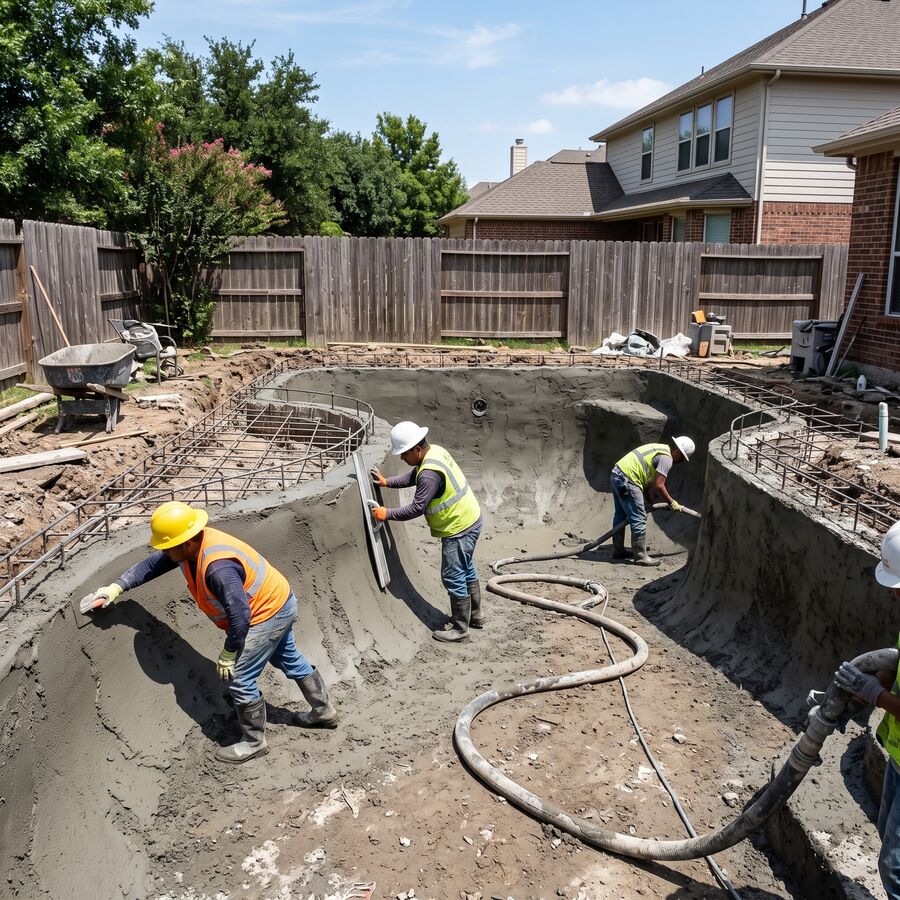 Pools
Pools Remodeling
 Roofing
Outdoor living · kitchens & baths · and their kin — any local job the customer thinks about before they buy.
High-ticket local work is decided, not grabbed.
You already know this from your own sales. Here's the whole thing, in the order it actually happens:
They don't call to shop. They call to book.
By the time a homeowner picks up the phone, they've already decided. The only question that matters is what was in front of them while they were deciding.
When you sell a pool on Meta, two layers are working on your buyer's behavior.
Same buyer. Same behavior. Worked at two layers — and almost everyone only runs one of them.
Meta's machine learning finds the people likely to click.
Everyone gets that — including your competitors. Run on its own, it has a name: platform-only advertising.
The bonding layer — the one that builds a bond between you and your market.
The layer almost nobody builds. It:
- Remembers everyone who looked.
- Stays in front of them with proof.
- Puts your answers to the market's questions in front of the people most interested.
- Retires ads before they wear out.
- Reports every job back, so it learns.
Platform-only advertising shouts and forgets.
It asks for the sale today. It forgets everyone who didn't buy. It never learns which ads became jobs. That's not a bad agency — that's the first layer doing exactly what it does when nobody builds the second.
Right — and he's running the first layer. Everyone gets that one. The question is who's running the second.
If you want more pool jobs, that's how it's done.
Why it's called the bonding layer.
A bond between a business and its market isn't a trick. It's three things psychology has understood for a long time — built into how the layer behaves.
People come to prefer what they've seen often.
Principle: the mere-exposure effect · 1968Zajonc established it with a series of experiments: seeing a thing repeatedly, on its own, makes people like it more. No argument needed, just presence.
So the layer keeps you in front of everyone who looked.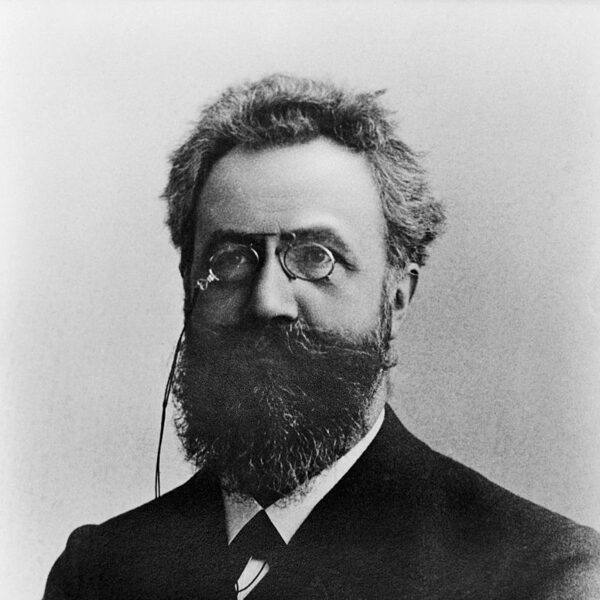
Spaced exposure is remembered. Piled-on exposure is tuned out.
Principle: the spacing effect · 1885Ebbinghaus measured it in the first experimental study of memory ever published. The finding has held for 140 years.
So the layer paces its touches instead of blasting them.Push people and they push back.
Principle: psychological reactance · 1966Brehm's theory: threaten someone's freedom to choose and they defend it. Ask too often and you create the resistance you're trying to get past.
So the layer shows the offer strategically — timed and sized to stay welcome, never pushed.Zajonc, R. B. (1968). Attitudinal effects of mere exposure. Journal of Personality and Social Psychology, 9(2, Pt. 2), 1–27 · Ebbinghaus, H. (1885). Über das Gedächtnis. Leipzig: Duncker & Humblot · Brehm, J. W. (1966). A Theory of Psychological Reactance. New York: Academic Press. Ebbinghaus portrait: public domain, via Wikimedia Commons.
Meta runs the first layer. We'll run your second.
One conversation to fit the program to your trade, your area, and your ambition — then it's built.
Book a consultationFive things it does. Plainly.
No theory. This is the machine, in the order it runs.
Every ad does two jobs.
The offer ad asks strangers for the job — and remembers everyone who paid attention. Viewers, engagers, people who opened the form and walked away. Nothing your market does is wasted; even the people who don't buy today become an asset.
The market sorts itself. The program follows the sort.
Nobody guesses who's interested. People raise their hand by engaging — and from that moment they're treated differently from strangers: reassurance regularly, the ask strategically — timed and sized so it stays welcome.
Content is your market's own questions — answered by you. Premium
What a pool actually costs here. Gunite or fiberglass. What happens after you sign. Answered by you, put in front of the people most interested — again and again.
Nothing runs on a calendar.
The Watcher retires every ad the moment its audience tires of it. The warm phase waits until enough people have looked to carry it. The market decides when — every time.
The loop closes with money.
LocalizerAI works every lead. Closed jobs get logged and reported back to the ads, so the system learns what actually turned into work — not what got clicks.
One local pool builder's audience had seen the same ad more than six times per person before anyone looked at the number. Frequency climbs quietly. Results don't fall off a cliff; they leak.
Pattern from a local account · unnamed on purposeHigh-ticket leads decay by the hour. A form submitted at 9 PM on a Sunday and answered Monday afternoon is a different lead — usually somebody else's.
Every owner who has run ads has watched this happenFour things true of it — and rarely true of advertising.
It follows through.
Ordinary advertising shouts and forgets. This remembers everyone who showed interest and stays with them — reassuring, then asking, then answering, then closing the books.
It grows a market instead of chasing leads.
The warm pool compounds. Content fills it faster. Closed jobs make it smarter. Most advertising rents attention and evaporates. This builds something you keep.
Right pressure, always.
Never absent. Never pushy. Never stale. Present at the moments that matter — because your market's own behavior is the cue, not a schedule.
Nothing wasted.
Every touch, every response, every job feeds the next decision. That's the honest answer to "without wasting budget."
← the headline, answeredNamed things. Not vague service.
A named thing can be valued, repeated, and held to account. Here's what runs your account, by name.
LocalizerAI
Every lead answered, worked, and booked — automatically, around the clock. Every closed job reported back to the ads. Ads fill the pipeline; LocalizerAI works it.
9 PM Sunday gets answered at 9 PM Sunday.The Watcher
Standing guard over every active ad set, daily. The moment a piece wears out on its audience, it's flagged and replaced. Your ads never go stale.
the day your ad wears out — known, not guessed.Content Engine
Your market's own questions — cost, choices, what happens after you sign, when to plan, what's true about building here — answered by you and put in front of the people most interested in your kind of project, again and again. To them, you're everywhere.
written from what they asked, not what we guessed.Creative Studio
Our purpose-built production system. It's why a Watcher flag becomes new creative in days, not a freelancer queue in weeks. You never touch it — you get the speed.
days, not weeks.The bonding layer at its base. Every account starts by asking strangers and remembering everyone who looks; once enough people have looked, the warm phase switches on — proof to the interested, the strategic ask.
- LocalizerAI — every lead answered, worked, booked
- The Watcher — ads never go stale
- Review cards and decision pieces for the people deciding
Everything in Standard, plus the Content Engine — the second layer working the people most interested, so that to them, you're everywhere. For high-ticket trades with the budget to be seen.
- Everything in Standard
- Content Engine — your market's questions, answered by you
- Your answers, in front of the most interested — again and again
Both programs are priced flat and quoted in a conversation. The fee doesn't move with your ad budget. The number to measure it against is one additional pool, roof, or kitchen — not a percentage of spend.
To the people most interested, you're everywhere.
Not everyone in town. The people heading toward this exact kind of project — the ones who watched, read, clicked, opened the form. Here's what they experience:
The Content Engine puts your answers to your market's own questions in front of the people most interested — and once they engage, they keep seeing them.
Engaging puts them in your warm pool, where your reviews and decision pieces reach them regularly, answering what still holds them back.
The offer shows up strategically: there when they're ready, never pushed.
Three directions, several times a week, to the one person who matters. That's what "I see you guys everywhere" is made of — and being seen is ours to control. What they do with it is theirs.
What we won't promise you.
We can't promise you success even if we do everything right — because we don't run your business. Your sales process, your pricing, your crews, how you close — that's yours, and it should be.
Here's what we can tell you, flat: if your advertising isn't working, the failure lives in a second layer that was never built.
Nobody remembered who looked. Nothing was written from your market. Nothing you closed ever taught the system.
We built that layer. We'll own the advertising completely. The business stays yours.
The questions owners actually ask.
We've tried social media before and it didn't work.
We believe you. Most of what gets sold as social media advertising is platform-only advertising: an ad asks strangers for the job, forgets everyone who didn't buy, and runs until it wears out. For a job that's decided, not grabbed, that's asking at the one moment almost nobody says yes.
What you tried wasn't wrong. It was half of it. The half that remembers who looked, stays with them with proof, and asks strategically was never built. That's the half we run.
Isn't this just what advertising should be doing anyway?
Exactly. Everyone should. The difference between "should be doing" and "is being done" is three things: someone knowing the day your ads wore out, content written from what your market asked this month, and closed jobs feeding back into your targeting.
Those are different businesses. We're the second one.
My agency already runs Meta ads.
Then they're running the first layer — Meta's machine learning finding the likely clickers. Everyone gets that one, including your competitors. The question is who's running the second: who remembers everyone who looked, who's writing from what your market asked, who's retiring ads before they wear out, and who's reporting closed jobs back. If the honest answer is nobody, that's the layer that's missing.
This is behavioral advertising — what about privacy?
Yes, it is. Your market's behavior runs it: who engaged, who watched, who opened a form. We never see an individual. Meta holds the data and does the matching — we hand it rules and get back audiences. Nothing here reaches into anyone's life; it decides which of your ads a group of people sees next.
How long until it works?
Nothing here runs on a calendar, so we won't pretend to hand you one. Ads are replaced when your market tires of them, not on a date. The warm phase switches on when enough people have looked. What we build for is the moments that decide a high-ticket job — the compare, the proof, the nudge — and being in front of your buyer at every one of them, whenever they come.
What do I actually get?
By name: LocalizerAI (every lead answered, worked, booked; every closed job reported back), The Watcher (ads never go stale), and on Premium the Content Engine (your market's own questions, answered by you, in front of the people most interested) — all produced through Creative Studio, our own production system.
Two programs, Standard and Premium. Both priced flat. Quoted in a conversation, because the right one depends on your trade, your area, and your ambition.
What happens on the consultation?
We fit Localizer Behavioral Advertising to your business: your trade, your service area, and your ambition. You leave with the program recommended, quoted flat. If your trade or budget isn't what this was built for, we'll say so — we only take the accounts it was built for.
Meta runs the first layer.
Let's build your second.
One conversation. We fit the program to your trade, your area, and your ambition, and quote it flat. No pressure after — you've read what happens when people get pushed.